
Kumbh knowledge
Kumbh snan etiquette: how do you visit respectfully?
By Divanshu Garg · Article author · Last updated 23 Nov 2026
A respectful Kumbh snan begins with using a permitted bathing area, following local instructions and leaving akhada processions undisturbed. Ask before photographing people or entering a religious camp. At Haridwar in 2027, assistance can help organise your visit, but no commercial booking should be treated as permission to ignore ceremonial or safety restrictions.
What is snan, and how is ceremonial bathing different?
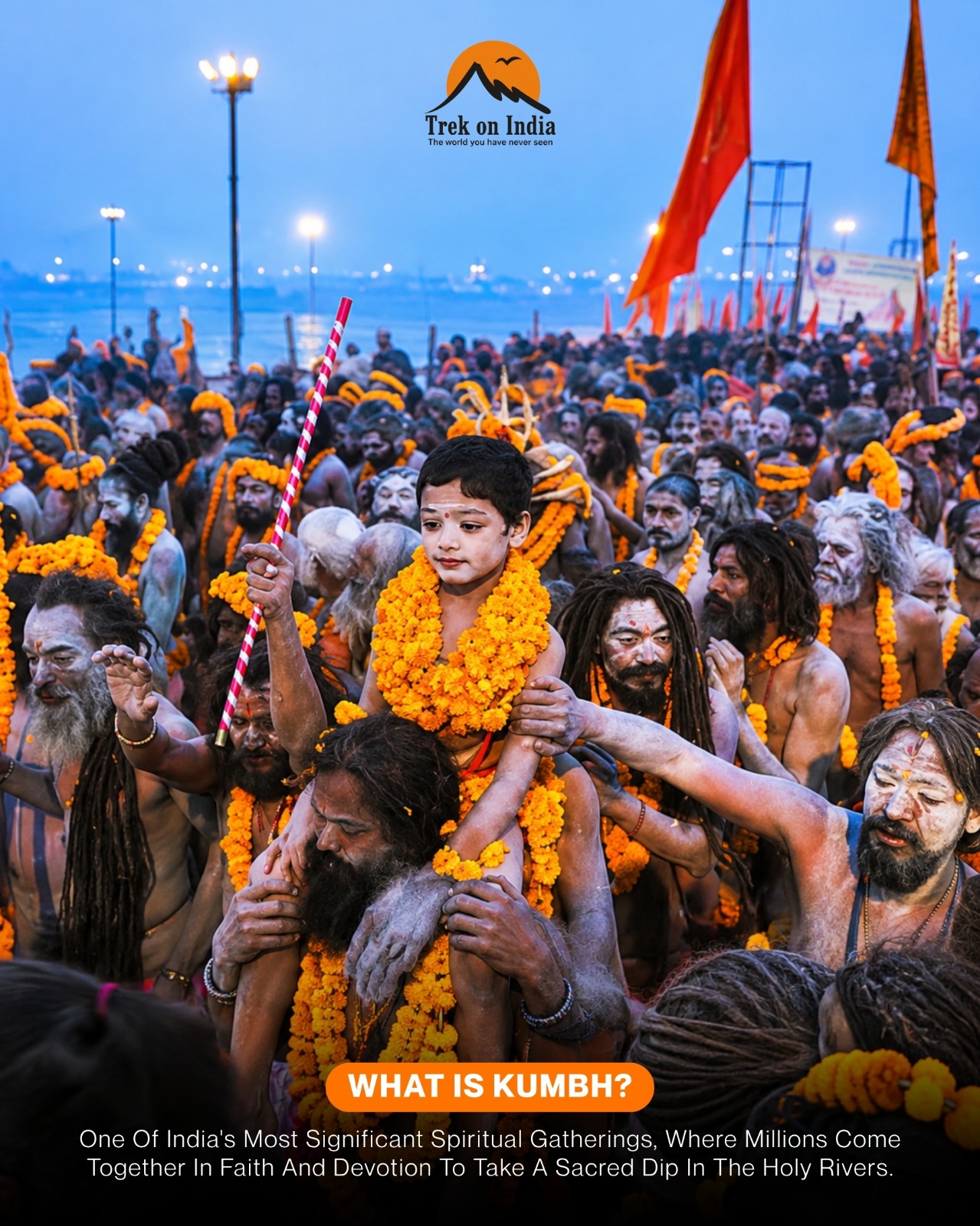
Snan means bathing; at Kumbh it is a religious act associated with the sacred river and the occasion. Ceremonial bathing by akhadas has its own organisation. A pilgrim's personal bath and an akhada's procession should not be treated as interchangeable activities on a sightseeing checklist.
UNESCO describes the Kumbh as a living tradition carried by religious communities and other participants. The belief in the spiritual value of bathing belongs to the devotees. A guide can explain that belief, but should not promise liberation, a blessing or any measurable spiritual result from purchasing a service.
You do not need to copy someone else's bathing practice to show respect. If entering the river is unsuitable for your health, mobility or comfort, remain out of the water. Ask the relevant religious guide about your questions, and let local instructions determine where visitors can gather.
How should you behave near an akhada procession?
Keep the procession's route clear and observe from the area assigned to visitors. Do not enter the moving group for a photograph or try to reach a particular sadhu through a barricade. The permitted viewing and movement arrangements are more important than a position shown in an old video.
Stay with your companions without linking arms across a moving pedestrian flow. If officials ask people to move, do so rather than stopping to finish recording. A ceremonial route is not a place to negotiate access, arrange an interview or search for someone who has become separated from the group.
Avoid treating ascetics as a spectacle. They may be engaged in prayer, observance or a community ritual. Some may welcome questions at an appropriate time; others may not. Accept a refusal without argument, and do not describe ordinary public observation as a private meeting that your booking includes.
| Situation | Useful approach | Avoid |
|---|---|---|
| Procession passes | Observe from the permitted side | Crossing or joining without permission |
| Photographing a person | Ask and accept the answer | Close-up photography without consent |
| Camp or discourse | Check entry and recording rules | Assuming all areas are open |
| Bathing | Use the designated area | Entering a closed or unsafe section |
| Offerings | Follow local disposal instructions | Leaving packaging in the river |
When should you ask before taking photographs?
Ask before making a close portrait of a sadhu, pilgrim or family, and avoid photographing people changing clothes or in vulnerable situations. Permission to be present at a public gathering is not permission to use every person's image. Camps and ritual organisers may also set their own recording rules.
A phone held above a crowd can obstruct another visitor or draw your attention away from movement around you. Finish photographs from a safe position, then put the device away before moving towards steps or the water. Keep your belongings with a trusted companion rather than leaving them at the edge of a ghat.
For commercial content, ask explicitly about publication rather than assuming a casual yes to a photograph covers advertising. Children need particular care. The supplied images on this site are reference graphics; they do not authorise visitors to recreate a scene or intrude into someone's ritual.
How do you prepare for a dip without harming the river?
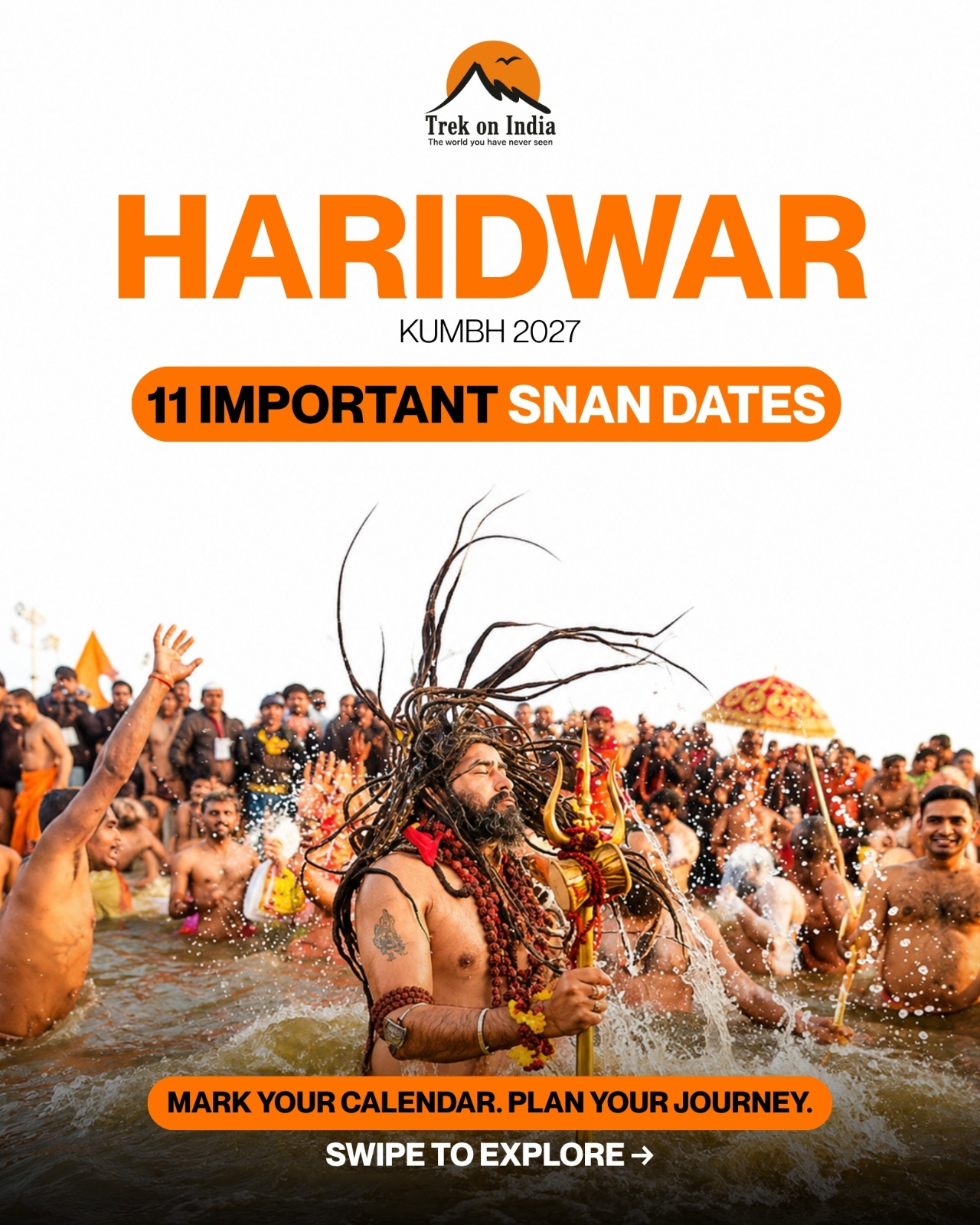
Keep the bath simple, carry a change of clothes and follow the instructions at the permitted ghat. Avoid taking soap, shampoo, plastic wrappers or unnecessary belongings to the water. Use waste collection arrangements instead of leaving packaging, food or clothing behind after your visit.
Before approaching the water, decide which companion will remain dry and keep the group's essentials. A waterproof pouch protects a document from splashes but does not make losing it harmless. Take only what you need, and change in the designated space rather than exposing yourself or blocking movement.
Do not enter water because others appear comfortable there. River conditions and your own ability are not established by a photograph. If local officials or your medical adviser tell you not to bathe, follow that advice. Watching, praying or spending time beside the river can still be meaningful.
For the city's bathing context and services, start with the Haridwar Kumbh Mela 2027 hub.
What can we share from our trips and special snan planning?
From our trips: Trek on India has supplied plans for special snan with sadhus, its own ghats and VIP sewa. These are the operator's proposed arrangements, not proof of a specific akhada invitation or an unrestricted ceremonial bath. No named sadhu, religious authorisation or completed 2027 experience has been claimed here.
Before accepting such an offer, ask who coordinates the visit, which location is involved and what permissions apply. Clarify whether you are observing, joining an ordinary assisted bath or attending an agreed activity. The phrase with sadhus should be explained in writing and must not substitute for consent from the people involved.
Ask what practical help is included in Kumbh VIP bookings before making assumptions about access. Outside the mela, Trek on India's Himalayan treks and yatras include the Char Dham Yatra from Haridwar itinerary; its shrine visits and departure information are separate from Kumbh rituals.
What should you read before deciding your next step?
Use the guide that answers your next practical question, rather than trying to settle the whole visit at once. Understanding the ritual, getting to Haridwar and choosing a workable stay are different decisions. Share the relevant guide with the people travelling with you so everyone agrees on the same plan.
For a closer look at why Haridwar matters at Kumbh, use our dedicated guide. For a closer look at Kumbh camps versus rooms, use our dedicated guide. For a closer look at Kumbh planning for families and elders, use our dedicated guide.
Frequently asked questions
Does a VIP booking allow me to join an akhada bath?
Not by itself. A VIP label should explain practical assistance, accommodation or coordination, not imply ceremonial permission. Ask for the exact activity, organiser and access conditions. Follow the mela administration and religious organisers' instructions; an operator's booking cannot override restricted areas or consent from the people participating.
Can I take photographs of sadhus at Kumbh?
Ask before a close portrait and respect a refusal. Check the rules before recording inside a camp or during a discourse. Do not photograph people changing, bathing in vulnerable situations or receiving assistance without appropriate consent. A public setting does not make every image suitable for publication or commercial use.
Must I enter the Ganga to visit Kumbh?
You can visit to pray, observe and understand the tradition without entering the river. If bathing is unsuitable because of health, mobility or river conditions, stay out of the water. A religious guide can answer questions about observance, while medical suitability should be discussed with a qualified clinician.
What should I carry to a bathing ghat?
Keep the essentials light: a towel, dry clothes protected from splashes and any personal items you need immediately. Agree who keeps phones and documents while others bathe. Use the designated changing arrangements, avoid soap or shampoo in the river and follow the local directions about belongings and waste.
Are Shahi Snan and Amrit Snan different bookings?
The terms are used in discussions of ceremonial bathing, but they do not describe two standard commercial products. What matters for your visit is the specific occasion, organiser and permitted access. Confirm the current schedule and your operator's actual service rather than buying a label that promises an undefined ritual experience.
Sources and scope
- UNESCO, Kumbh Mela intangible cultural heritage entry and nomination material
- Incredible India, Haridwar destination guide
- Trek on India, supplied special snan and VIP sewa planning details
Reference graphics supplied by Trek on India are illustrative, not photographs of the future 2027 event. Confirm current access and service arrangements before travelling.