Himachal Pradesh · Backpacking
Sar Pass Trek – The Ultimate Himalayan Adventure
What makes the Sar Pass Trek special?
Starting from
₹6,499 per person
Duration
4N / 5D
Altitude
13,800 ft (4,206 m)
Best time
April, May, June, July, August, September, October
Difficulty
Moderate
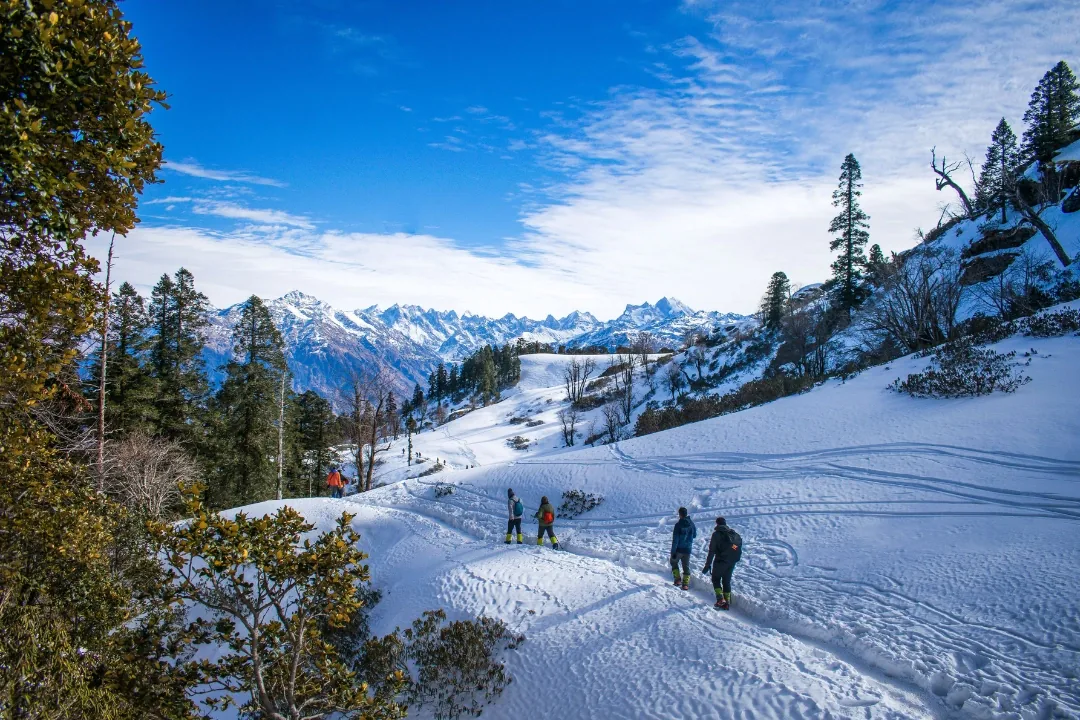
What makes the Sar Pass Trek special? Nestled at an altitude of approximately 13,800 ft., the Sar Pass Trek is one of the most scenic and rewarding Himalayan adventures in Himachal Pradesh. Located in the beautiful Parvati Valley, this trek is a paradise for trekkers, photographers, nature enthusiasts, and adventure seekers alike. The trail takes you through a mesmerizing variety of landscapes—from dense pine and rhododendron forests to picturesque meadows, charming Himalayan villages, and vast stretches of snow-covered terrain. Every day on the trek unveils a new facet of the Himalayas, making the journey as memorable as the destination itself. One of the trek's most fascinating features is the small alpine lake encountered near the route between Tila Lotni and Biskeri Ridge. Locally known as "Sar," meaning lake in the regional language, this often-frozen water body gives the trek its name — Sar Pass. Surrounded by towering snow-clad peaks and panoramic mountain views, the trail transforms into a breathtaking winter wonderland during the trekking season. The combination of thrilling ascents, scenic campsites, snowfields, and stunning Himalayan vistas makes Sar Pass a truly unforgettable trekking experience. Sar Pass is more than just a trek—it's a journey through some of the most spectacular landscapes the Himalayas have to offer.
- Trek to an altitude of 13,800 ft.
- Explore the stunning landscapes of Parvati Valley
- Walk through dense forests, alpine meadows, and snowfields
- Witness breathtaking views of the Himalayan ranges
- Experience camping under star-filled mountain skies
- Visit the famous frozen "Sar" Lake
- Enjoy thrilling snow trails and scenic ridge walks
- Perfect for beginners as well as experienced trekkers
Your journey, day by day
Kasol — Grahan — Mung Thach — Nagaru — Sar Pass — Biskeri Thach — Kasol
Your Sar Pass Trek begins from the heart of Kasol, following the scenic trail along the left bank of the Grahan Nallah. The initial section of the trek is relatively easy and well-defined, frequently used by locals, allowing trekkers to cover a considerable distance comfortably within a few hours. After crossing the Grahan Nallah, the trail gradually becomes steeper and rockier, ascending through dense Rhododendron forests while moving away from the riverbank. During the blooming season, the vibrant Rhododendron flowers add colour to the trail. Their petals are edible, and locally prepared rhododendron syrup is often enjoyed as a refreshing mountain drink. Following a steady uphill climb of approximately one hour, you will arrive at Grahan Village, the last inhabited settlement on the trek route. Beyond this point, mobile network connectivity is generally unavailable, offering a true wilderness experience. Spend the evening exploring the traditional Himalayan village and soaking in the peaceful mountain surroundings. Overnight stay in tents at Grahan Village.
- Accommodation: Accommodation in high-quality trekking tents for the duration of the trek (4 nights).
- Accommodation: Tents are provided on a triple-sharing basis.
- Accommodation: Separate accommodation arrangements are maintained for male and female participants.
- Meals: Nutritious vegetarian meals throughout the trek, including: Breakfast Lunch Evening Snacks Dinner
- Meals: Jain meals can be arranged on prior request.
- Meals: Meals are designed to provide the energy and nutrition required for high-altitude trekking.
- Permits & Camping Charges: All necessary trekking permits and forest entry fees.
- Permits & Camping Charges: Camping charges at designated campsites throughout the trek.
- Trekking Equipment: Premium-quality tents at all campsites.
- Trekking Equipment: Comfortable sleeping bags suitable for sub-zero temperatures (up to approximately -10°C).
- Safety & Medical Support: Comprehensive first-aid kit available throughout the trek.
- Safety & Medical Support: Essential safety equipment including oxygen cylinders and pulse oximeters.
- Safety & Medical Support: Emergency medical support available with the trek leader and at campsites whenever required.
- Certified Trek Leaders: Experienced and professionally trained Trek Leaders.
- Certified Trek Leaders: Leaders are certified in Basic/Advanced Mountaineering Courses and Wilderness First Aid, ensuring a safe and well-managed trekking experience.
- Expert Mountain Support Team: Dedicated mountain crew including: Certified Local Guides Experienced Cooks Helpers Porters
- Expert Mountain Support Team: The support team works throughout the trek to ensure a safe, comfortable, and memorable Himalayan adventure.
- 5% GST and any other applicable taxes.
- Any transportation expenses to and from the trek starting point, unless specifically mentioned.
- Airfare, train tickets, bus tickets, taxi fares, or any other travel costs incurred before or after the trek.
- Any meals, services, or facilities not specifically mentioned under the "Inclusions" section.
- Personal expenses such as telephone calls, internet charges, beverages, mineral water, laundry, tips, and snacks.
- Personal trekking gear such as trekking poles, trekking sticks, gaiters, gumboots, gloves, jackets, backpacks, or any other equipment not mentioned in the inclusions.
- Portage or transportation of personal luggage during the trek.
- Medical expenses, emergency evacuation charges, hospitalization costs, and rescue expenses, if required.
- Any kind of travel, accidental, health, or personal insurance.
- Expenses incurred for any medical examination before, during, or after the trek.
- Charges for optional activities not included in the itinerary.
- Airport, railway station, or bus stand pick-up and drop services, unless specifically mentioned. These can be arranged at an additional cost, subject to availability.
- Any expenses arising due to a participant leaving the trek voluntarily before its completion. All additional transportation, accommodation, and meal expenses in such cases shall be borne by the participant.
- Any costs arising from adverse weather conditions, natural calamities, landslides, roadblocks, political disturbances, government restrictions, strikes, pandemics, or any other force majeure event.
- Any additional expenses resulting from changes, extensions, diversions, delays, or cancellation of the trek due to circumstances beyond the control of Trek on India and its partners.
- Any item, service, activity, or cost not specifically mentioned under the "Inclusions" section.
- Note: Trekking in the Himalayas is an adventure activity that involves inherent risks and is subject to unpredictable weather, terrain conditions, and unforeseen circumstances. In the event of itinerary modifications, delays, route changes, or trek cancellation due to reasons beyond our control, any additional expenses incurred shall be borne by the participant.
All bookings are subject to our Cancellation & Refund Policy and Terms & Conditions.
Sharing prices
- Quad Sharing Per Person Cost₹6,499
Q. What is the difficulty level of the Sar Pass Trek?
A. The Sar Pass Trek is considered an Easy to Moderate trek. It is suitable for beginners with a good fitness level as well as experienced trekkers looking for a scenic Himalayan adventure.
Q. What is the maximum altitude of the trek?
A. The trek reaches a maximum altitude of approximately 13,800 ft. (4,206 m) at Sar Pass Summit.
Q. What is the best time to do the Sar Pass Trek?
A. The ideal time for the trek is from April to June, when the trail offers a perfect combination of snow-covered slopes, lush meadows, and pleasant weather conditions.
Q. Is prior trekking experience required?
A. No prior trekking experience is mandatory. However, participants should have a reasonable level of fitness and be prepared for long walking hours and steep ascents.
Q. Can beginners do the Sar Pass Trek?
A. Yes, the trek is widely regarded as one of the best beginner-friendly Himalayan treks, provided participants are physically fit and adequately prepared.
Q. What kind of accommodation is provided during the trek?
A. Accommodation is provided in high-quality trekking tents on a triple-sharing basis throughout the trek. Separate accommodation arrangements are maintained for male and female participants.
Q. What meals are provided during the trek?
A. Nutritious vegetarian meals, including breakfast, lunch, evening snacks, and dinner, are provided throughout the trek. Jain meals can be arranged on prior request.
Q. What will be the temperature during the trek?
A. Temperatures may vary depending on the season. During the trekking months, daytime temperatures generally range between 10°C to 20°C, while nighttime temperatures can drop to 0°C to -5°C at higher camps.
Q. Is mobile network connectivity available on the trek?
A. Mobile connectivity is available in Kasol and partially in Grahan Village. Beyond Grahan, network coverage is extremely limited or unavailable.
Q. Are charging facilities available during the trek?
A. Charging facilities are generally not available at the campsites. Participants are advised to carry a fully charged power bank.
Q. Is drinking water available during the trek?
A. Yes, water is available at campsites and selected refill points along the trail. Trekkers are advised to carry a reusable water bottle and stay hydrated throughout the trek.
Q. Are washroom facilities available at the campsites?
A. Basic toilet tents are available at the campsites. As this is a remote Himalayan trek, facilities may be basic compared to urban standards.
Q. What fitness level is required for the trek?
A. Participants should be capable of walking 6–8 hours daily on mountain trails. Regular walking, jogging, cycling, stair climbing, or cardio exercises are recommended before the trek.
Q. Is there an ATM available near the trek route?
A. ATMs are available in Kasol and nearby towns. However, it is advisable to carry sufficient cash before starting the trek, as ATM availability is limited in remote areas.
Q. What should I carry for the trek?
A. Participants should carry essential items such as: Trekking shoes Warm layers and down jacket Rain protection Water bottle Personal medications Sunscreen and sunglasses Head torch Power bank Day backpack
Q. Is the Sar Pass Trek safe?
A. Yes, the trek is conducted under the supervision of experienced trek leaders, certified guides, and trained support staff. Safety equipment, including first-aid kits, oxygen cylinders, and oximeters, is available throughout the trek.
Q. Why should I choose the Sar Pass Trek?
A. The Sar Pass Trek offers an unforgettable combination of snow-covered trails, alpine meadows, dense forests, traditional Himalayan villages, high-altitude camping, and breathtaking mountain views, making it one of the most rewarding trekking experiences in the Himalayas.
Weekend Treks
Noida — Haridwar — Shivpuri — Delhi
Escape to Rishikesh: A Weekend of Adventures & Waves
Weekend Treks
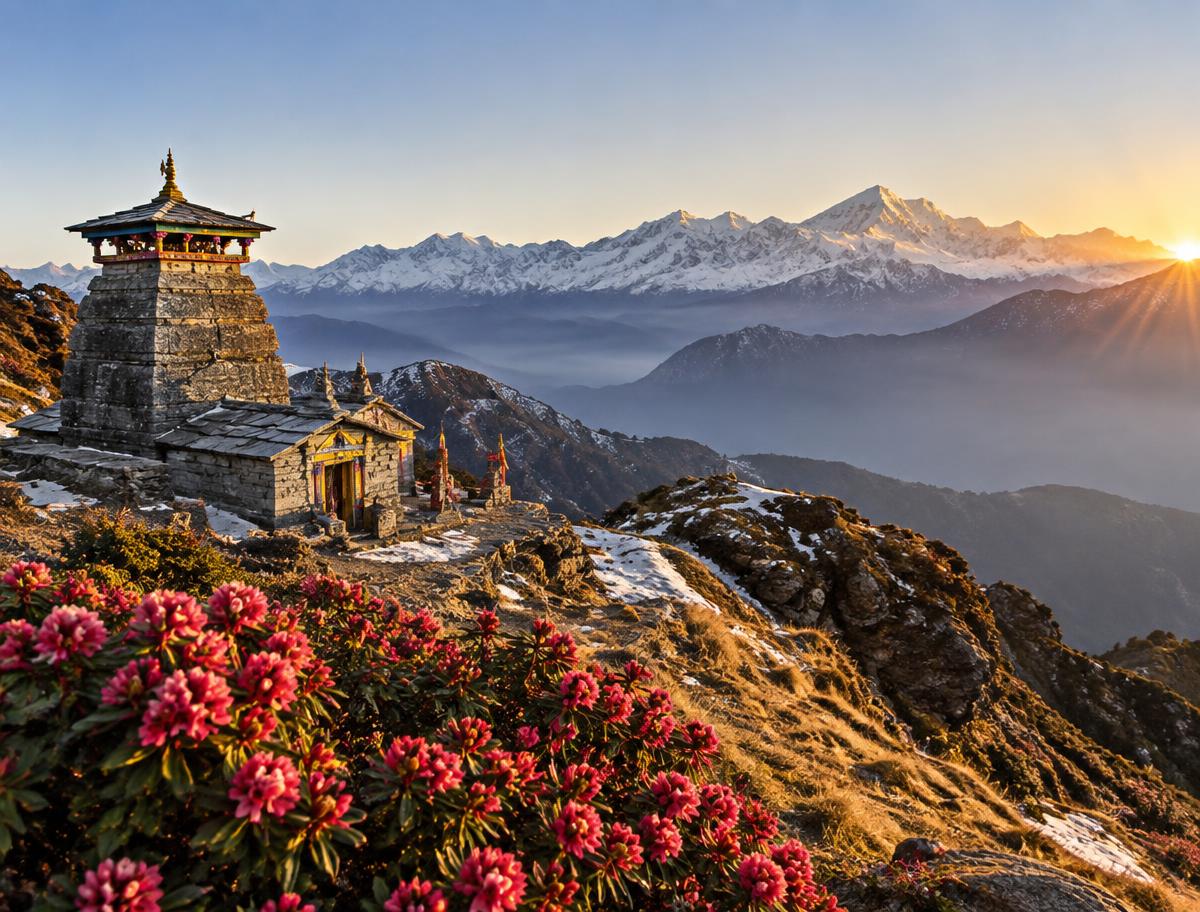
Delhi — Chopta — Tungnath — Chandrashila — Deoriatal — Delhi
Chopta Tungnath Chandrashila - 2Nights 3 Days